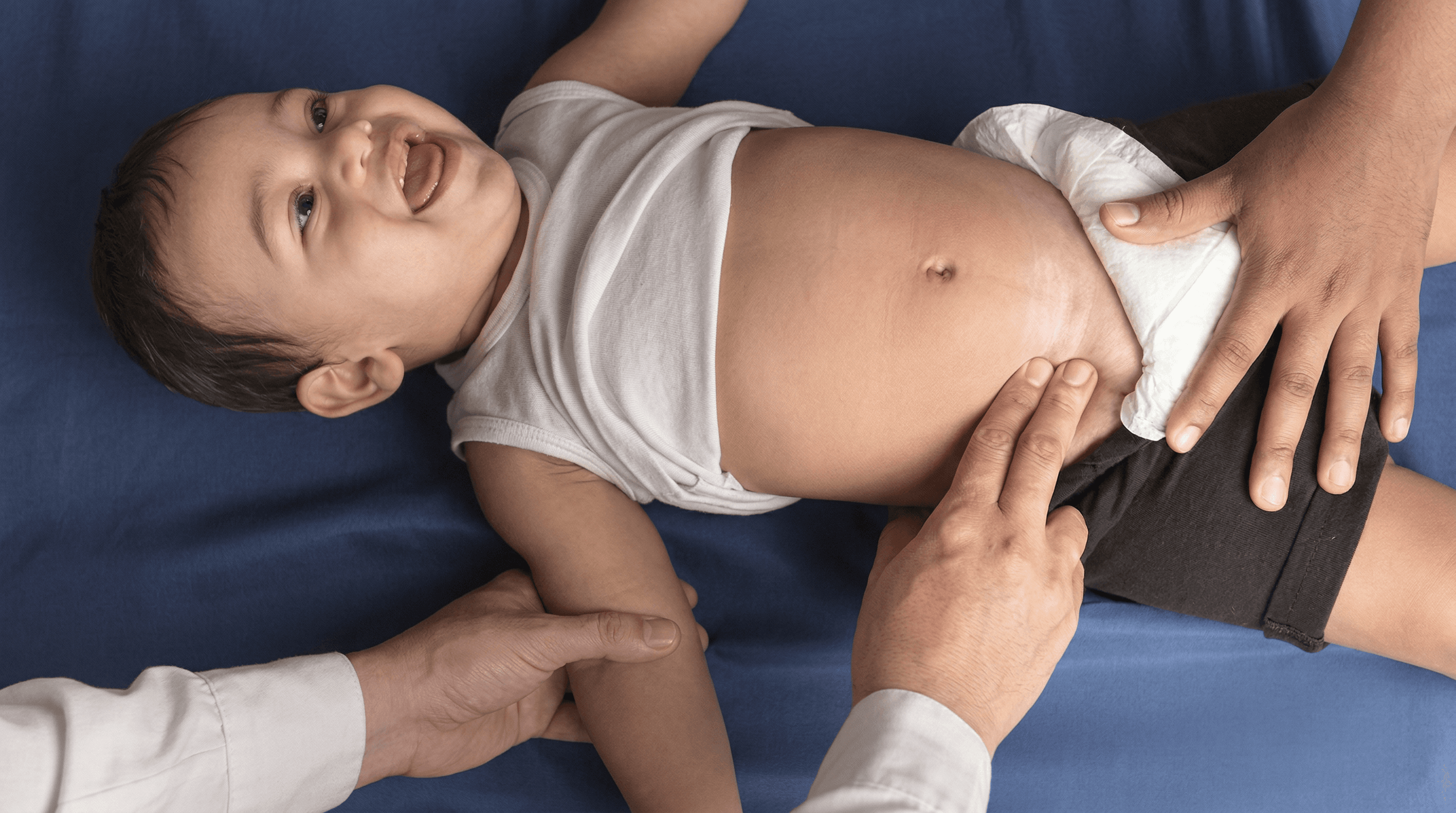
Appendicitis is the inflammation of the appendix and represents the most common abdominal surgical emergency in pediatric age. It can occur at any age but is most common between ages 5 and 15.
The 5 key signs
1. Migrating abdominal pain
Pain typically starts around the belly button and then moves to the lower right side of the abdomen. In young children, the pain may be diffuse and hard to localize.
2. Loss of appetite
Children with appendicitis often refuse food. If your child usually eats well and suddenly doesn't want to eat, pay attention.
3. Nausea and vomiting
These generally appear after the onset of abdominal pain, not before. If vomiting precedes the pain, it may be another cause.
4. Low-grade fever
A temperature between 37.5°C and 38.5°C (99.5°F-101.3°F) is common. If the fever is very high (over 39°C/102.2°F), it may indicate the appendix has perforated.
5. Change in behavior
Younger children may be irritable, lie in the fetal position, or refuse to walk or jump. A child who doesn't want to jump is a warning sign.
What to do?
If your child has abdominal pain that progressively worsens, especially if it localizes to the lower right side, go to the emergency room. Do not give painkillers without prior medical evaluation, as they can mask symptoms.
Treatment
Appendectomy (surgery to remove the appendix) is the definitive treatment. When possible, it is performed laparoscopically, which allows less postoperative pain, faster recovery, and better cosmetic results.
Early diagnosis is essential. Don't wait for symptoms to worsen — consult when in doubt.
Have questions about your child's health?
Don't wait. Consult with a pediatric surgery specialist.
Book Consultation via WhatsApp